The Superteam Secret
Simple practices that pack a punch, even in Maycember

If you’re a parent of school-age kids, you know that May is its own special chaos. Thirty-one days pack in every single performance, standardized test, and little league playoff.
I’m doing my best to savor it. Although I’m all too ready for the day to be over when I pick up my son from drumming on Monday at 8pm, I still light up from his carbonated energy.
Here’s what I notice in these after-school activities: the building blocks of great leadership skills are everywhere. Stepping up to lead warm ups on the field at baseball practice. Running lines with fellow cast members during tech rehearsal without being asked. These are unmistakable moments of team formation.
In our adult lives, few jobs are truly performed on an island. Instead, they require the interconnectedness of others, navigating different personalities and viewpoints. Effective teamwork makes the difference.
That’s why I was so intrigued to learn about Ron Friedman’s latest research of high performing superteams, and what sets them apart.
Superteams get more done, make one another better, and improve with time
Although this sounds obvious, the thread that stitches superteams together isn’t the shiny rock star or the team’s superior processes, but rather the group’s commitment to continuous improvement. Perhaps it isn’t always explicit, but my hunch is superteams recognize when someone’s slacking — and they do something about it.
My daughter’s theatre friends are quick to admit when they don’t yet know a dance number as well as they should. Their response? Extra rehearsal together. No pointing fingers or solo improvement. They make it a shared exercise to get better.
The takeaway: High performance isn't a destination. It's a practice, and the best teams make it a group effort.
Experimentation is baked into the culture
Friedman shares that 62% of superteams report experimenting “occasionally” or “often” compared to just 42% of average teams. The difference isn’t whether people are willing to try new things. It’s that superteams treat experimentation as a cultural norm and expectation. The culture makes it safe to do regularly.
As parents, many of us live in experimentation mode. We try star charts, withhold screen time, or give intermittent rewards. What works isn't the tactic — it's the combination of clarity about the desired outcome and genuine celebration when we see it.
The same holds at work. Wishing your team would behave differently isn’t a strategy. Being explicit about what “good” looks like — and celebrating it when it shows up — is.
The takeaway: What gets measured and celebrated gets repeated. If you want a culture of experimentation, you have to reward the process of trying, not just the results.
Leaders of superteams are feedback champions
Check out this statistic: 92% of superteams reported receiving feedback that felt non-critical — even when the content was, in fact, corrective. Among average teams, that number drops to 54%.
The difference isn’t in what the feedback says. It’s in how it lands.
The best coaches I’ve watched do this beautifully. They applaud the kid who commits to swinging the bat with great form, even when they don’t connect with the ball. They encourage the performer who stays in character when something goes sideways, giving notes for next time. Feedback nurtures the creative process of getting better — not obsessing over the scorecard.
I’ve noticed some executives roll their eyes at their teams needing positive feedback, as if their teams should just know they’re doing well. But most people (even senior leaders) appreciate knowing what’s working. They’re not looking for ego boosts. They want to know they’re on the right track, so they don’t accidentally pivot in the wrong direction.
Valuing feedback doesn’t signal insecurity. It signals commitment to the relational fabric of work.
The takeaway: Frequency and tone matter as much as content. Give more feedback (including peer-to-peer), make it feel more like a compass than a verdict, and watch your team’s confidence compound.
Superteams feed their creative hobbies
Friedman’s data show that superteam members spend an hour or more per week on hobbies outside of work compared to their average-team counterparts.
We tend to frame this as self-care, necessary unplugging and battery recharging, which it is. But the data suggest something more interesting is happening. That cooking class, pickleball league, or dance lesson isn’t just for fun. It’s a source of creative energy that finds its way back to the work.
Sometimes it shows up as a side hustle or special project — the kind of moonlighting that fuels fresh thinking outside the day-to-day. Rather than treating these pursuits as distractions, superteams seem to recognize their value. When team members accumulate new experiences and perspectives, those dividends flow back to the core work in ways that are hard to trace but easy to feel.
The takeaway: Encourage the creative lives your people are already living. The returns will surprise you.
Transforming into a creative superteam
The good news is, this is learnable. Here’s where to start.
Set the vision explicitly. Bring the implicit into the open. Define what high performance looks like for your team — because if you don’t, mediocrity quietly becomes the default.
Ask your team what they see. What would a 10% increase in effectiveness look like? What would need to change? What would the business impact be? You’ll learn more than you expect.
Run real experiments. Pick a process that needs refinement, a tool to test, or a meeting series to cut. Set a timeline and a date to discuss results. Treat the experiment itself as the deliverable.
Celebrate the process, not just the outcome. If the experiment doesn’t yield the results you hoped for, resist the urge to treat it as failure. The team worked together to learn something, and that’s the whole point.
Give more feedback, and track it. Keep an informal tally. Notice the ratio of positive to constructive notes. If most of what you’re offering is corrective, recalibrate — and if you lead a global team, stay attuned to cultural norms around how feedback is given and received. After two weeks, pause and notice what’s shifted.
Encourage the pursuit of creative interests. On the mornings I make it to dance class, I see it. Lawyers, nurses, executives — all carving out an hour to activate different parts of their brains and practice the craft of ballet. Some do it a little sheepishly, without explicit support from their organizations. That's a missed opportunity. Protecting time for creative pursuits isn't a perk. It's an investment in the kind of thinking that makes superteams possible.
Bringing a superteam mindset home
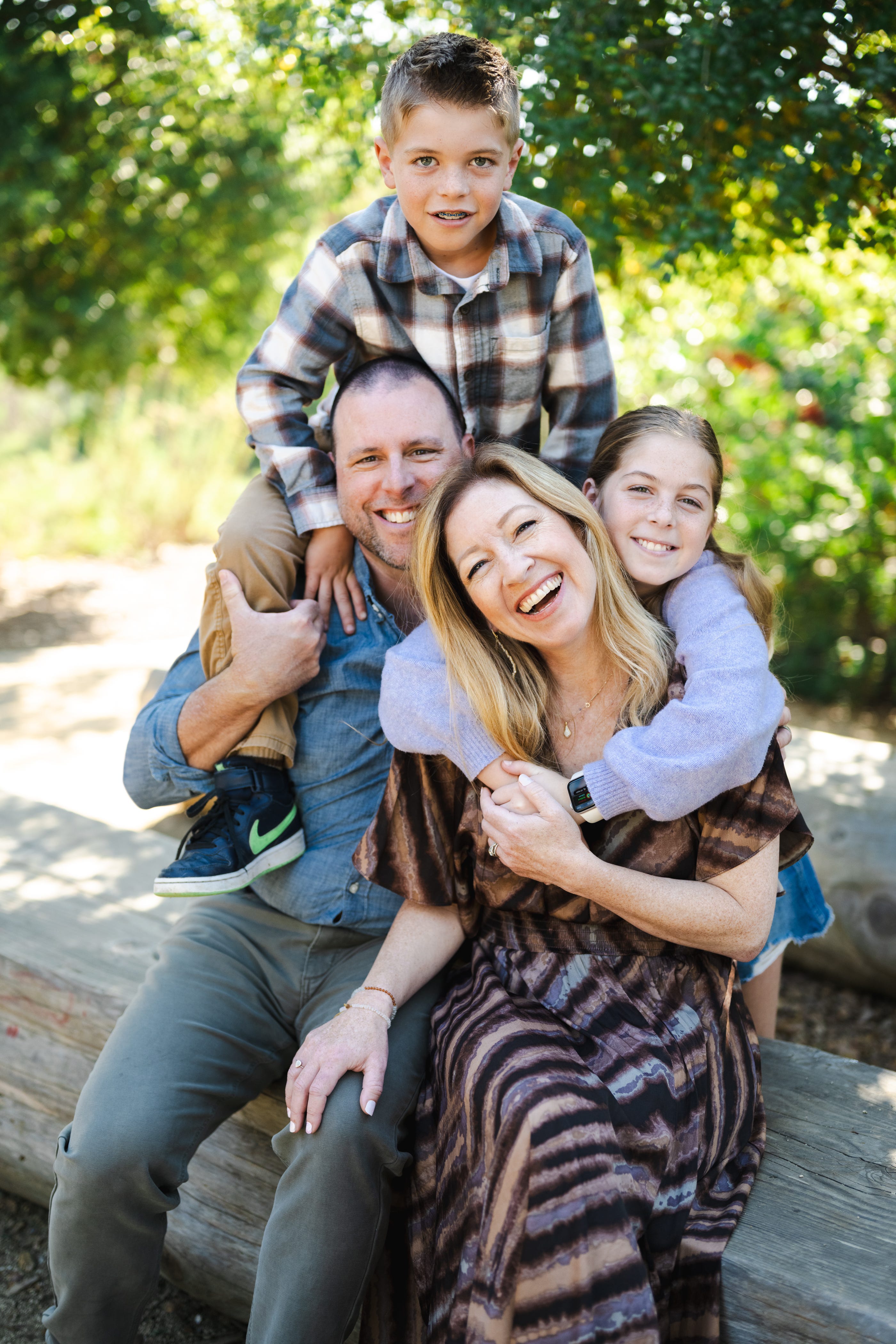
I’ll be honest: I want our family to operate more like a superteam. More experiments — neighborhood walks, game nights — to see what sticks. More feedback that doesn’t land as criticism.
“I really appreciate how you cleared not only your plate but your sister’s, too.”
“Good job not overreacting to your brother. Next time, think you can skip the eye roll?”
We’re all works in progress. Superteams don’t appear overnight. But becoming conscious of the conditions that create them feels like a good place to start.